Sleep disorders may increase the risk of lung cancer.
authorReporter Chang Shih-chieh from Chinese Health Network / Taipei Report
According to a large-scale statistical study of health insurance data in China,People who snore frequently or have sleep disorders such as sleep apnea have a 30-40% higher risk of developing lung cancer than the general population.Doctors point out that although lung cancer does not have obvious symptoms in its early stages, in recent years...WomenThere is an upward trend, and the public should not take it lightly.

Li Gangyuan (pictured) emphasized that sleep disorders can easily trigger the immune system, potentially increasing the risk of lung cancer. (Photo/Reporter Zhang Shijie)
According to cancer registry data from the Ministry of Health and Welfare, lung cancer was the leading cause of death among the top 10 cancers in Taiwan in 2014, with an average age reduction of nearly 12 years. Among lung cancers, lung adenocarcinoma had the highest rate, accounting for about 50% of cases in men and an even higher rate of 82% in women, meaning that 4 out of every 5 female lung cancer patients had lung adenocarcinoma.
Sleep disorders can affect the immune system
A study conducted at Shuang Ho Hospital, Ministry of Health and Welfare, found that people with sleep disorders have a 30% higher chance of developing lung cancer than the general population.Ms. Chen, a 42-year-old woman from New Taipei City, went to a sleep clinic for a checkup because she snored and couldn't sleep well. It was then discovered that she had tumors measuring 1.8 cm in her left lung and 1.3 cm in her right lung, and was diagnosed with stage 4 lung cancer.
Dr. Li Gangyuan, director of the Department of Thoracic Surgery at Shuanghe Hospital, who treated Ms. Chen, explained that...While the exact relationship between sleep disorders and lung cancer remains unclear, it is highly likely that cancer cells affect sleep physiology. Alternatively, chronic insomnia may affect the autonomic nervous system and immune system, creating a body with chronic inflammation that fosters cancer growth.

A study found that people with sleep disorders have a 30-40% higher risk of developing lung cancer than the general population. (Photo/Reporter Zhang Shijie)
The biggest fear for advanced lung adenocarcinoma is distant metastasis.
Dr. Li Gangyuan emphasized that when there is a long-term sleep disorder, two major systems in the body will be affected: the autonomic nervous system and the immune system. This creates an environment that is favorable for tumors, increasing the chances of cell mutation and potentially leading to cancer cells.
Because the patient surnamed Chen already had lung metastases when he was diagnosed, although the tumors in both lungs were not large, a full-body CT scan revealed that it was not early-stage carcinoma in situ, but rather lung metastasis. This is precisely what makes lung adenocarcinoma so dangerous; even if the tumor is not large, it may metastasize to the lungs, or even to the bones, brain, liver, adrenal glands, and other parts of the body.
New Trends in Lung Cancer Brain Metastasis Treatment: Chemotherapy Combined with Injectable Targeted Therapy
In terms of treatment, for lung cancer patients with brain metastases, chemotherapy combined with targeted injection therapy is often used. If the symptoms are severe, local radiotherapy is added. Clinical studies show that, with the assistance of targeted injection therapy, chemotherapy drugs can successfully cross the brain barrier, shrinking the tumor and achieving a therapeutic effect.
In particular, targeted injections combined with chemotherapy can indeed improve the response rate of advanced lung cancer treatment, extending the average survival of patients from one year to two to three years, and significantly improving their quality of life. This is a great boon for advanced lung cancer patients who cannot undergo surgery.
News Source:Yahoo! News

Creative Biotechnology – Experts in Sleep Health
● Industry-first "one-stop sleep solution"
●Innovative Products and Services: Applied for multiple sleep-related patents
●Taiwan TQUK Sleep Management Certification Institution
●Developed Taiwan's first sleep health management platform
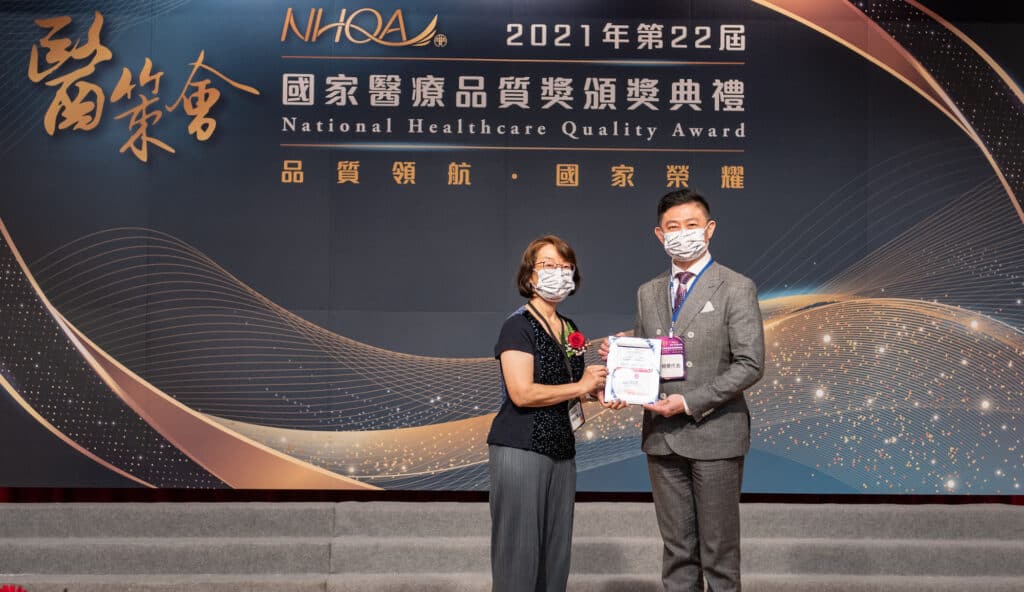
●Medical Policy Council 2022 National Healthcare Quality Award
Professional team wins awards one after another