
What types of respirators are available and what are the major brands of respirators?
What is a respirator? What is the basic principle of a respirator?
What is a respirator?
A ventilator is a medical device that helps improve breathing function, providing respiratory support to patients who are unable to breathe independently or have respiratory insufficiency. The primary function of a ventilator is to provide additional oxygen or assist in the expansion and contraction of the lungs to ensure the body receives enough oxygen and expels carbon dioxide. This is especially important for patients with chronic obstructive pulmonary disease (COPD), asthma, heart failure, or acute respiratory distress syndrome.
How a respirator works
The basic principle of a respirator is to assist airflow through a pressure difference. When a user inhales, the respirator provides positive pressure to help air enter the lungs; during exhalation, the device may reduce pressure to help expel air from the lungs. This pressure support helps improve gas exchange efficiency and alleviate symptoms of breathing difficulties. Understanding the different types of respirators helps in selecting the appropriate device for individual needs.
Browse major brands of respirators
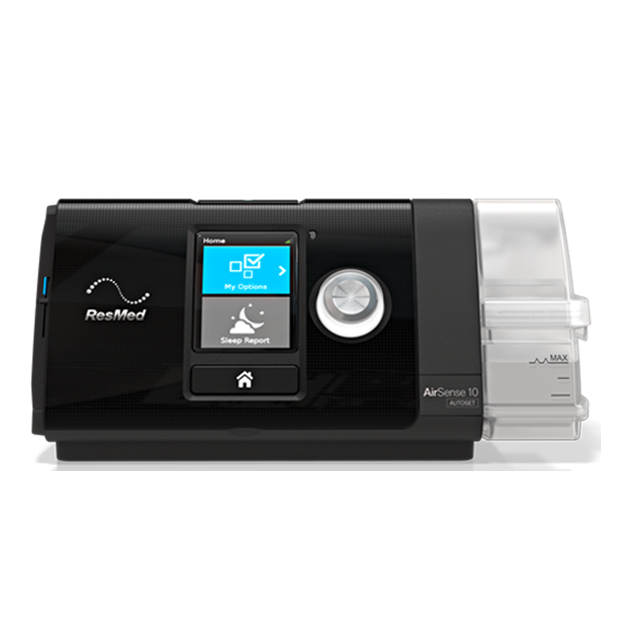
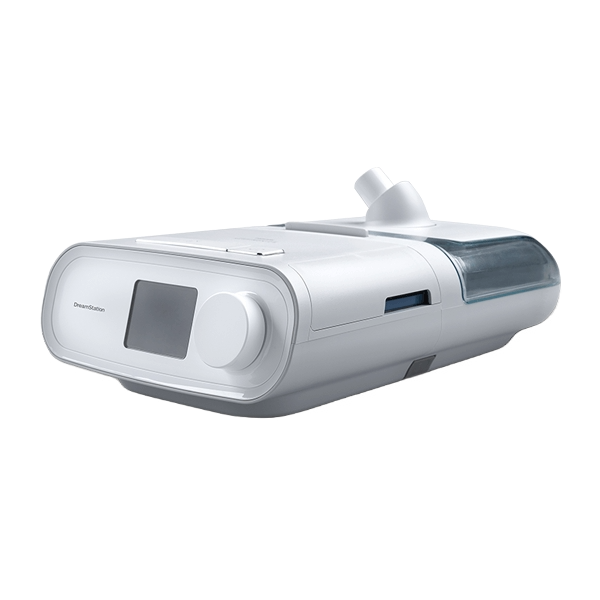
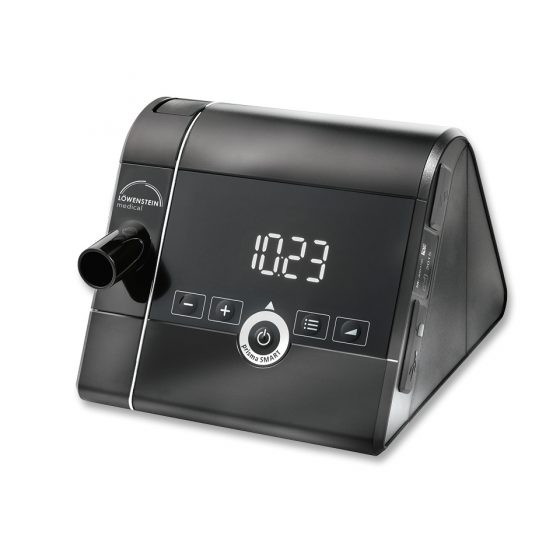
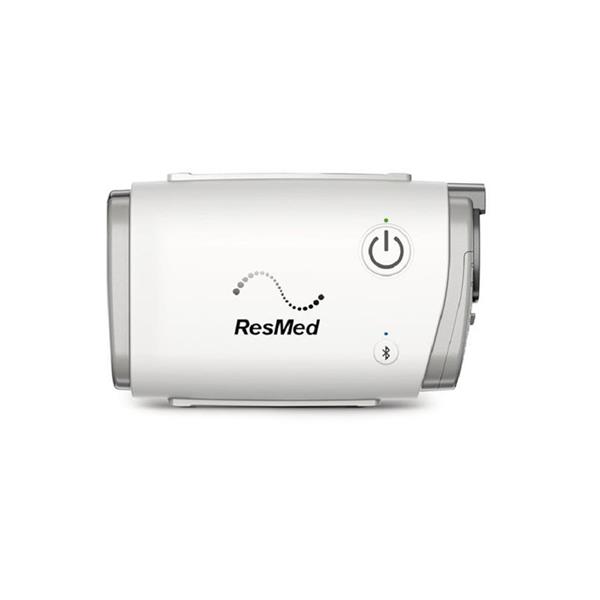
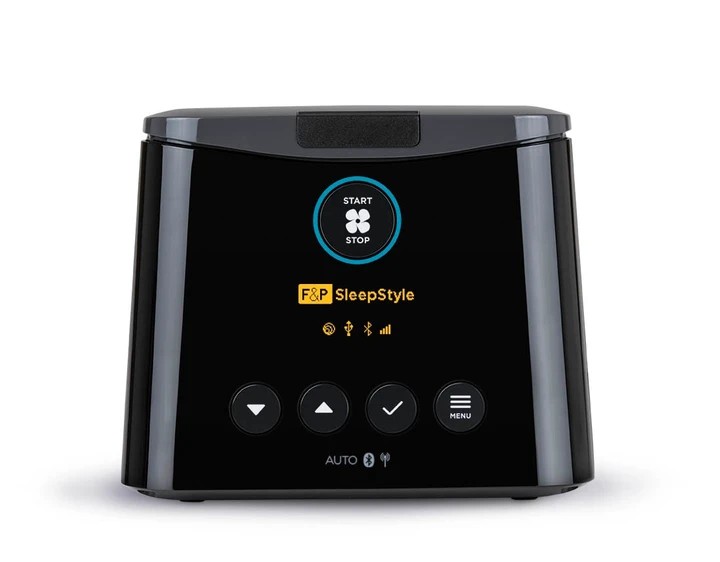

Creative Biotechnology – Experts in Sleep Health
● Industry-first "one-stop sleep solution"
●Innovative Products and Services: Applied for multiple sleep-related patents
●Taiwan TQUK Sleep Management Certification Institution
●Health+, the only sleep health service provider and 5G remote diagnosis and treatment platform from FarEasTone.
●Developed Taiwan's first sleep health management platform
●Medical Policy Council 2022 National Healthcare Quality Award
Introduction to common types of respirators and their characteristics
oxygen respirator
- Provides a high concentration of oxygen.
- It is easy to operate and suitable for home use.
- It can be connected to an oxygen cylinder or an oxygen concentrator.
Positive pressure breathing apparatus (CPAP)
- Provide continuous positive pressure to prevent airway collapse.
- It helps improve sleep quality.
- It is often used in home therapy.
negative pressure respirator
- Simulates natural breathing patterns.
- Non-invasive, suitable for specific medical needs.
- It is rarely used in modern times, but has historical value.
Non-invasive respirator (NIV)
- Provide support through a face mask or nose shield.
- No invasive surgery is required, reducing the risk of infection.
- Suitable for patients with mild to moderate dyspnea.
Invasive respirator
- Provides powerful and precise respiratory support.
- Suitable for critically ill patients and long-term respiratory support.
- It requires operation and monitoring by professional medical personnel.
For patients requiring respiratory support, choosing the appropriate type of ventilator is crucial. Different types of ventilators meet the needs of different patients, ranging from basic oxygen supply to complex mechanical ventilation. Medical professionals will provide the most suitable respiratory support plan based on the patient's specific condition, which not only improves the patient's quality of life but also effectively reduces hospitalization time and medical costs. By understanding the types of ventilators available, patients can better cooperate with treatment and ensure they receive optimal respiratory support.
![[Business Today Report] Insomnia Savior: Creative Biotech's First Digital Sleep Medical Assistance System](https://www.transgene.com.tw/wp-content/uploads/2024/08/今週刊報導-768x250.jpg)