Getting a good night's sleep isn't difficult! Dr. Lin Cheng-Yu of National Cheng Kung University Hospital offers 11 sleep-aiding rules.
Text by National Cheng Kung University Hospital
Sleep is a very important part of life, but some people are troubled by poor sleep quality. Dr. Lin Cheng-yu, an ENT specialist at National Cheng Kung University Hospital, said that most people think that only insomnia can be called a sleep disorder. However, any change in sleep pattern or habits, such as difficulty falling asleep, waking up easily in the middle of the night, wanting to sleep at the wrong time, sleeping too much, or abnormal behavior during sleep, can be considered a sleep disorder.
Dr. Lin Cheng-yu points out that poor sleep quality not only affects daytime mental state but may also lead to cardiovascular disease, and some studies have even found a link to traffic accidents. Therefore, how to get a good night's sleep is a very important issue.
Dr. Lin Cheng-yu stated that sleep quality is affected by internal factors such as emotions and illnesses, as well as external factors such as bedroom environment, work and rest patterns, work pressure, exercise, and diet (alcohol, caffeine). Modern people experience high stress and irregular work and rest, which causes changes in the physiological cycle of hormones in the body, all of which are reflected in the quality of sleep at night.
Dr. Lin Zhengyou suggests thatMost people can relax before bed using the following methods, and getting a good night's sleep is not difficult; however, if you have a sleep disorder, you should consult a doctor for diagnosis and treatment.
Here are 11 rules to help you sleep:
1. Establish fixed bedtime and wake-up times:It's best to fall asleep before midnight. Regardless of when you fell asleep the night before, you should wake up at the same time the next day. It's also not recommended to catch up on sleep on weekends, as this can disrupt your sleep cycle.
2. Don't lie in bed when you don't want to sleep:If you're in bed for 15 minutes but still can't fall asleep, get up and do something monotonous until you feel sleepy again, then go back to bed. But don't watch TV or use the computer, as the visual and auditory stimulation will make you even more unable to fall asleep.
3. Limit the time for lunch breaks or naps:If you want to take a nap during the day, you can only take one for about 30 minutes. You cannot nap after 3 p.m.
4. Avoid drinking any caffeinated beverages in the afternoon:The body metabolizes caffeine in about 3-5 hours (meaning that after 3-5 hours, half of the caffeine content remains), and consuming caffeinated beverages too late at night can make it difficult for you to fall asleep.
5. Avoid using nicotine and alcohol at night:Nicotine can easily stimulate brainwave activity and disrupt sleep. While alcohol may help you fall asleep faster, it reduces deep sleep and increases light sleep, which does not help you recover your energy.
6. Exercise:Exercise can help you sleep, but you should make sure to finish exercising at least two hours before bedtime.
7. Drink less water before bed:Limit your water intake 4-6 hours before bedtime to avoid the urge to urinate interfering with your sleep.
8. Take a hot bath before bed:Take a hot bath two hours before bed to raise your body temperature.
9. Create the best sleep environment:Make sure your room is dark, quiet, and well-ventilated so that going to bed becomes an enjoyable and relaxing experience.
10. Do not do anything else in bed:Aside from "sleeping and making love," do not do anything else in bed such as reading, making phone calls, or keeping accounts.
11. Allow sufficient relaxation time before bed:If you find yourself thinking about other annoying things, write them down on paper and tell yourself you'll figure something out tomorrow.
(This article aims to provide general medical education. If you experience any discomfort or illness, you should seek treatment from a specialist to avoid delaying your condition and to ensure the best possible treatment outcome.)
Article source:ETtoday Eastern News Cloud

Creative Biotechnology – Experts in Sleep Health
● Industry-first "one-stop sleep solution"
●Innovative Products and Services: Applied for multiple sleep-related patents
●Taiwan TQUK Sleep Management Certification Institution
●Health+, the only sleep health service provider and 5G remote diagnosis and treatment platform from FarEasTone.
●Developed Taiwan's first sleep health management platform
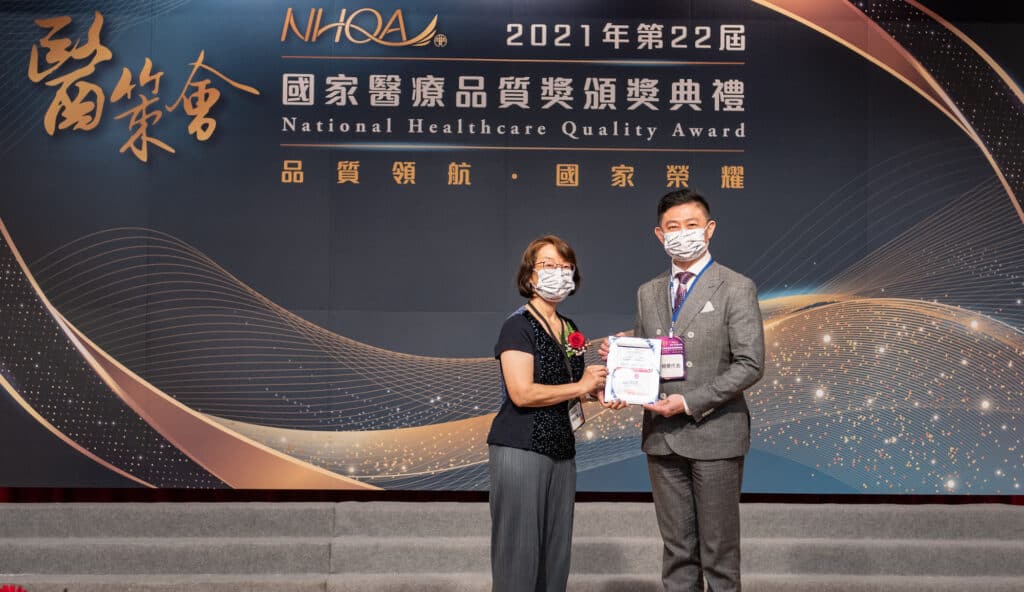
●Medical Policy Council 2022 National Healthcare Quality Award
Professional team wins awards one after another