
Knowledge about respirators
What is a respirator?
A ventilator is a medical device that assists people in breathing. It is typically used by people who have difficulty breathing due to specific medical conditions. While ventilators were traditionally used in hospitals, home-use models are now also available, and doctors may prescribe them to treat sleep-related disorders.
Types of respirators
There are many types of ventilators on the market, so doctors and respiratory therapists will choose the appropriate ventilator based on the patient's condition during treatment. Ventilators vary in brand, function, and size. Clinically, they can be divided into homecare and intensive care levels. Based on the treatment recipient, they can be divided into infants, children, and adults. Based on the ventilation principle, they can be divided into positive pressure, negative pressure, and high-frequency ventilation modes.
Types of home-use respirators
For sleep-disordered breathing that is common in modern people, home-use CPAP devices that may be used include:
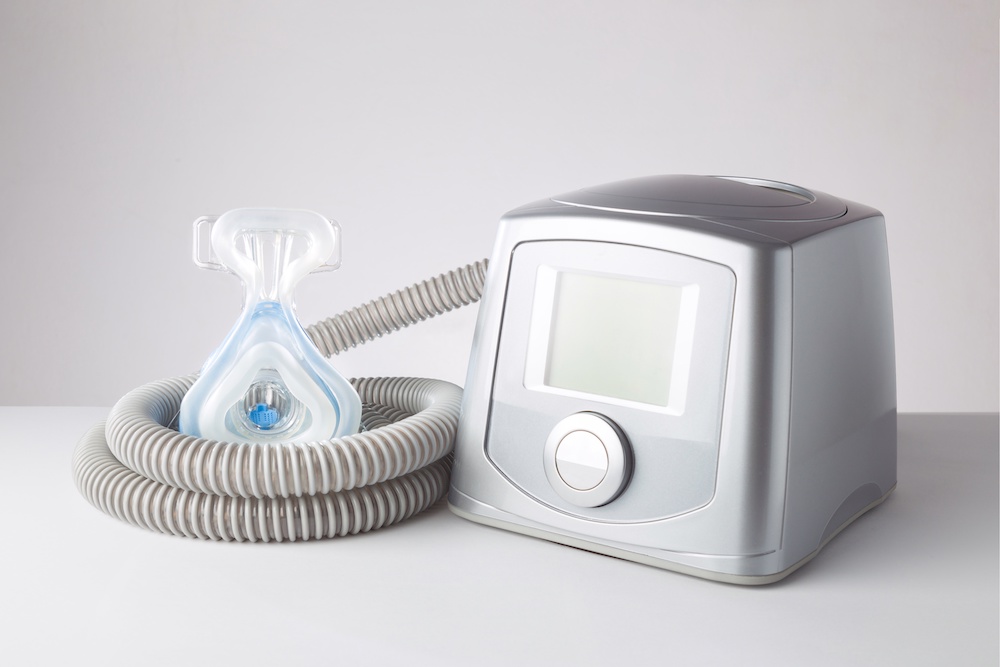
- Automatic single positive pressure respirator
- Fixed single positive pressure respirator
- Dual positive pressure respirator
When choosing a respirator manufacturer, you should consider the following points.
- Quality and Safety: Choose a respirator manufacturer that offers high-quality and safe products. You can check if the manufacturer has the appropriate certifications.
- Product Quality: Choose a respirator manufacturer with high-quality products. You can inquire whether the respirator brand has excellent quality control and testing methods during product manufacturing to ensure product reliability.
- Professionalism and After-Sales Service: Choose a vendor that offers sufficient technical expertise and after-sales service. You can inquire whether the vendor has professional technicians available for support and whether they provide regular repair and maintenance services.
- Price: Consider the price of the respirator and choose one that you can afford. However, sometimes you get what you pay for; more expensive respirators may have better features and design, use better manufacturing materials, have a longer lifespan, and better performance.
- User reviews: You can check the manufacturer's reputation online, or ask other friends and family members if they have relevant experience using the product; you can also ask medical professionals for their opinions on the manufacturer.
When choosing a positive pressure respirator mask, you should consider the following points:
- Size: Choose the appropriate size mask. A mask that is too large or too small will affect its effectiveness. We recommend that you choose a mask according to the size guide provided by the manufacturer.
- Comfort: Choose a comfortable mask. An uncomfortable mask may cause patients to be unwilling or even refuse to use it. It is recommended to choose a mask made of soft and breathable material.
- Reliability and Durability: Choose a mask with high reliability and durability. An unstable or poorly durable mask may cause inconvenience or even render it unusable. It is recommended to choose a mask with consistent quality and that has undergone rigorous testing.
- Maintenance and Cleaning: Choose a face mask that is easy to maintain and clean. A face mask that is difficult to clean or maintain may cause inconvenience or even render it unusable. It is recommended to choose a face mask that is easy to disassemble and clean.
Do I need a doctor's consent to buy a ventilator?
Yes, because ventilators are medical devices, a doctor's approval is required to purchase them. Ventilators must be used with the assistance of a professional to ensure safety and effectiveness. Therefore, you should consult your doctor before purchasing a ventilator to ensure it will be effective for your symptoms.
However, even when your doctor approves your use of a ventilator, you may still need to find a manufacturer to purchase it yourself. When purchasing, you should consider quality, price, reliability, and other factors to ensure that the ventilator you buy meets your needs and achieves the best treatment results.

What certifications are required for a qualified respirator?
In different countries and regions, ventilators are classified as medical devices and therefore require certification or approval from government agencies before they can be sold on the market. The following are some of the relevant certifications that may be found for ventilators circulating in the market.
- CE certification: CE certification is a regulatory certification in European Union (EU) countries, indicating that a product complies with the requirements of EU directives. Currently, CE certification is a necessary condition for respirators to be sold in EU countries.
- FDA Certification: FDA certification is issued by the U.S. Food and Drug Administration (FDA). Only products that meet U.S. safety and functional requirements can be marketed and sold.
- ISO 13485 Certification: ISO 13485 certification is an international standard issued by the International Organization for Standardization (ISO). It indicates that a product manufacturer has an appropriate quality management system and can produce products that meet the requirements for medical devices. Currently, ISO 13485 certification is also a necessary condition for the sale of ventilators in many countries.
In addition to the certifications mentioned above, respirators may also require other certifications, such as country- or region-specific certifications. Therefore, when purchasing a respirator, you should ask the manufacturer whether it has obtained the necessary certifications to ensure that the respirator meets local requirements.
Do I need to maintain my respirator myself?
Yes, ventilators require regular maintenance. Ventilators are essential medical devices and must be kept in good working order to ensure safety and effectiveness. Typically, ventilators require the following maintenance:
1. Cleaning: The exterior and interior of the respirator need to be cleaned regularly to prevent the growth of dirt and bacteria. It is recommended to use cleaning products recommended by the manufacturer.
2. Replace the filter: The filter of the respirator needs to be replaced regularly. The filter is used to filter the gas delivered by the respirator. If the filter is old or damaged, it must be replaced to maintain good performance.
Of course, if you regularly have your respirator maintained by a manufacturer with specialized expertise, you can maintain its better performance.
Are there subsidies for purchasing ventilators in Taiwan?
Yes, in Taiwan, patients purchasing ventilators may be eligible for a subsidy program. This program, currently provided by local district health bureaus, aims to help low-income individuals or those with disabilities purchase ventilators.
If you are interested in applying for the subsidy program, it is recommended that you contact the health department to learn about the current subsidy program and the specific application process. You will typically need to provide some personal information and health-related supporting documents to prove that you meet the eligibility requirements for the subsidy.
Since the specific conditions and eligibility criteria for the subsidy program may change, it is recommended that you check with the relevant authorities for relevant subsidy information before applying for the subsidy.

Creative Biotechnology – Experts in Sleep Health
● Industry-first "one-stop sleep solution"
●Innovative Products and Services: Applied for multiple sleep-related patents
●Taiwan TQUK Sleep Management Certification Institution
●Health+, the only sleep health service provider and 5G remote diagnosis and treatment platform from FarEasTone.
●Developed Taiwan's first sleep health management platform
●Medical Policy Council 2022 National Healthcare Quality Award
Professional team wins awards one after another