Disturbed sleep increases the risk of dementia
author[Reporter Su Xiangyun/Combined Foreign News Reports] | Taiwan Shin Sheng Daily
Poor sleep quality may increase the risk of dementia.Latest US researchHealthy older adults who have poor sleep quality and do not get enough rest often feel drowsy, and their brains accumulate more "amyloid" protein. When the concentration of amyloid protein increases, the risk of developing Alzheimer's disease rises.
This study was presented yesterday (9th) at the annual meeting of the American Society for Neuropsychopharmacology.
Researchers believe that if sleep disturbances do indeed lead to the accumulation of amyloid protein, early treatment and improved sleep quality may help prevent age-related cognitive impairment.
Many studies have confirmed the importance of sleep, and that insufficient sleep or sleep deprivation can affect brain function.Sleep apnea is also associated with cognitive impairment. When sleep apnea is not properly treated and sleep is disturbed, Alzheimer's symptoms will become more severe and cognitive deficits will worsen.
A research team at the University of Wisconsin-Madison used positron emission tomography (PET) scans to observe the accumulation of amyloid-like proteins in the brains of participants. In addition, participants had to complete questionnaires to allow researchers to understand their sleep patterns.
Researchers have found that people who often feel drowsy or have trouble sleeping tend to have a higher accumulation of amyloid-like proteins in the supramarginal gyrus and the frontal cortex of the eye socket.These amyloid proteins are likely to influence the risk and course of Alzheimer's disease.Researchers point out that it is too early to draw definitive conclusions about the relationship between sleep quality and Alzheimer's disease. More research is needed to understand whether improving sleep quality can help prevent Alzheimer's disease progression.
News Source:Yahoo! News

Creative Biotechnology – Experts in Sleep Health
● Industry-first "one-stop sleep solution"
●Innovative Products and Services: Applied for multiple sleep-related patents
●Taiwan TQUK Sleep Management Certification Institution
●Health+, the only sleep health service provider and 5G remote diagnosis and treatment platform from FarEasTone.
●Developed Taiwan's first sleep health management platform
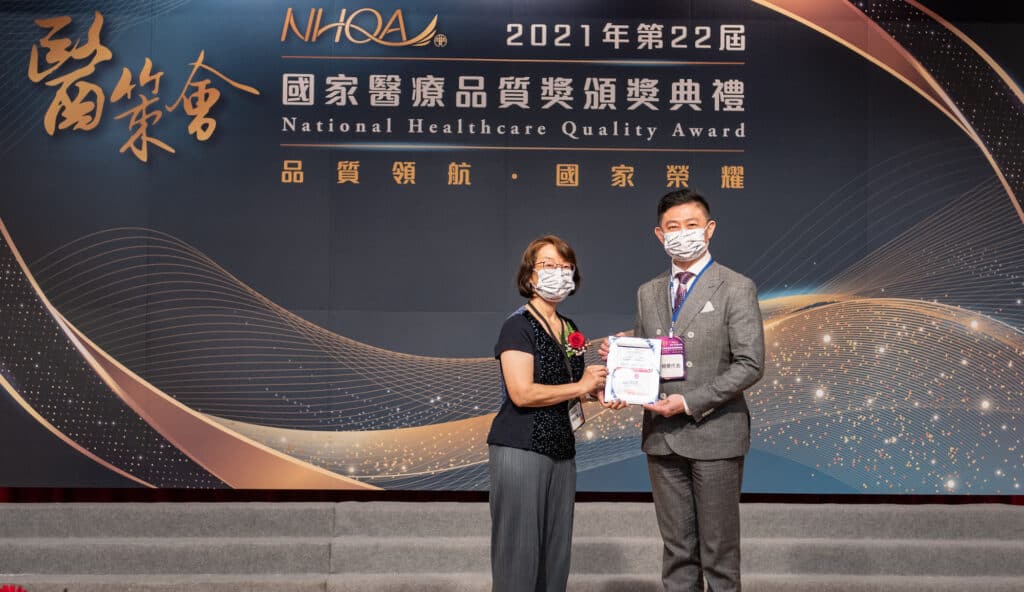
●Medical Policy Council 2022 National Healthcare Quality Award
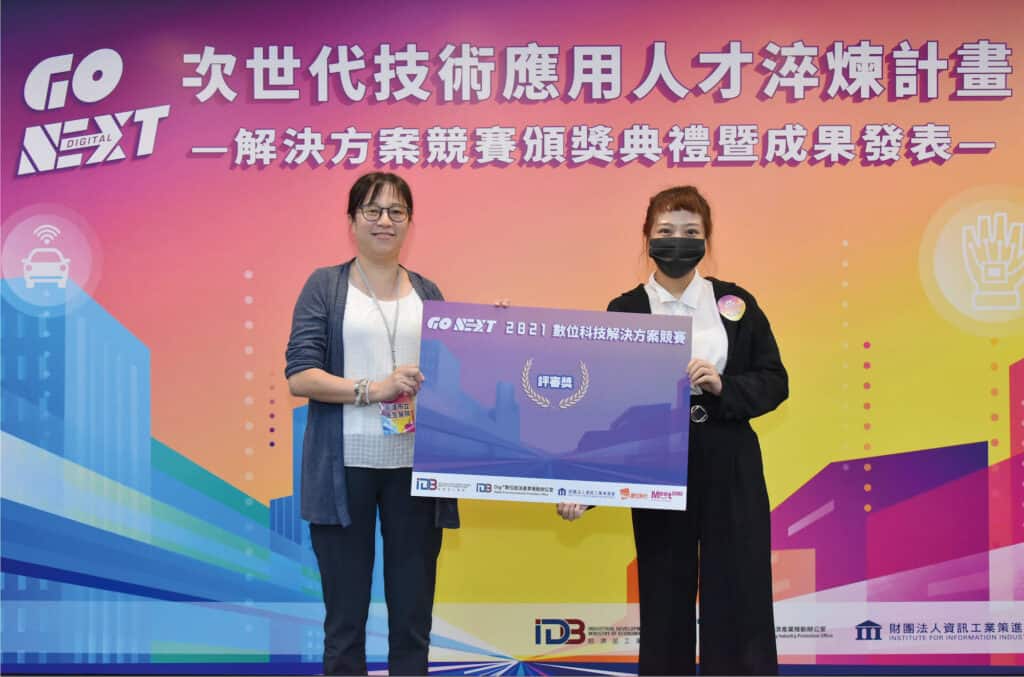
Professional team wins awards one after another