
Having a sleep debt and chronic insomnia may lead to depression.
authorText and images provided by Times Culture | Chinese Health Network
The entire American population is burdened with a sleep debt. According to the U.S. Centers for Disease Control and Prevention, widespread sleep deprivation is prevalent, and much of it is self-inflicted. Sleep experts agree that almost all adults need 7 to 8 hours of sleep per night, but one-third of working adults sleep even less, averaging nearly 6 hours. Two or three generations ago, people enjoyed an average of 9 hours of sleep per night. Due to modern sleep deprivation, nearly half of Americans have inadvertently dozed off during the day, including quite a few who fall asleep while driving!
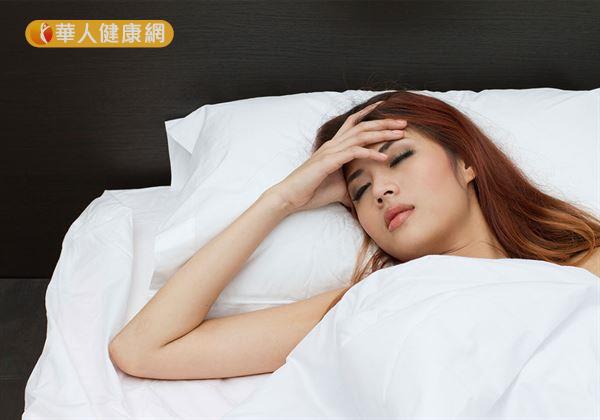
Having a sleep debt and chronic insomnia may lead to depression.
Some people intentionally stay up late or have poor sleep habits, while many others simply want to sleep but can't. Every year, 85% of people suffer from insomnia, and 10% to 15% of American adults suffer from chronic insomnia (not sleeping well for more than a month). Women are more prone to sleep disorders than men, and the frequency increases with age. The economic cost of insomnia is staggering; a recent estimate indicates that the direct losses in the United States alone amount to as much as $14 billion annually, with indirect costs even higher.
Sleeping well is more important than sleeping long.
Many people believe that the older you get, the less sleep you need. According to the National Sleep Foundation in the United States, sleep patterns do change with age, and sleep quality tends to worsen with age. However, this doesn't mean we don't need as much sleep; rather, it means we get less quality sleep.
During sleep, the brain must go through several cycles of light and deep sleep, as well as the dreaming stage of REM sleep, for it to be considered effective sleep. In middle and old age, many people experience longer periods of light sleep, making them more prone to waking up, while the duration of deep sleep and dreaming shortens. These changes significantly impact health.Moreover, there are many causes, including:
● Suffering from physical or mental illnesses and taking medications.
● Changes in circadian rhythm (the body's 24-hour biological clock).
● Hormonal changes in women during menopause.
●Prostate problems in men.
● Gastrointestinal problems such as indigestion or heartburn.
● A high percentage of abdominal fat increases the risk of intestinal or hormonal problems.
● The brain produces less melatonin.
● Elevated cortisol levels.

Having a sleep debt and chronic insomnia may lead to depression.
Sleep patterns do change, but sleep problems don't necessarily accompany aging. Sleep science is advancing rapidly, and our understanding of sleep is sufficient to improve sleep quality. Below, we share what we believe to be the most valuable sleep knowledge and the most effective sleep strategies to help you sleep better, feel younger, and improve even the worst sleep quality you've ever had.
Getting enough sleep is the best way to nourish your brain.
For the first half of the century, sleep researchers attempted to understand why humans need sleep. Just how important is sleep? Why do we spend nearly a third of our lives sleeping instead of doing more productive things? Sleep exposes organisms to their most vulnerable and easily attacked state, so why has the evolutionary process of all organisms retained the behavior of sleeping?
Not long ago, scholars believed that sleep must have another comprehensive benefit, but no one had yet discovered it. Now we understand that sleep has more than one benefit; it has many important functions that are beneficial to both body and mind. Below are three of the most crucial functions: mood, memory, and healing.
Sleep can improve mood
"I was working on the case very seriously at that time, and I stayed up all night for several days in a row. The day after staying up all night, I was very excited and felt great! But in the end, I couldn't hold on anymore. My mood plummeted, and my condition was so bad that I had to be hospitalized."
Kara had mood swings and had just started treatment. She was working late into the night, which inadvertently triggered severe mood swings; she started off very euphoric but later became extremely depressed. One of the great benefits of sleep is that it helps maintain a light and stable mood—a powerful force that most people don't realize.
Science has long known that sleep problems are linked to depression. Not long ago, experts believed that insomnia was a symptom of depression, and that if depression improved, insomnia would naturally disappear. However, recent research shows that insomnia may also be a cause of depression. Like Kara's case, poor sleep quality is a major cause of depression. In fact, chronic insomnia (not sleeping well for about a month) can double the risk of developing depression.
News Source:Yahoo! News

Creative Biotechnology – Experts in Sleep Health
● Industry-first "one-stop sleep solution"
●Innovative Products and Services: Applied for multiple sleep-related patents
●Taiwan TQUK Sleep Management Certification Institution
●Health+, the only sleep health service provider and 5G remote diagnosis and treatment platform from FarEasTone.
●Developed Taiwan's first sleep health management platform
●Medical Policy Council 2022 National Healthcare Quality Award
Professional team wins awards one after another