Did I sleep well?
Sleep is a basic physiological need for humans, and people spend about one-third of their lives sleeping.
After a long day of work, the body will eventually feel tired. In principle, after a night's sleep, the body will recover from fatigue and be full of energy again, but this depends on having good quality sleep.
Given the current dietary and work patterns in Taiwanese society, the pace of life is getting faster and faster, and the highly competitive environment is leading to compressed sleep time and poorer sleep quality. The latest "National Sleep Survey" released by the Taiwan Sleep Medicine Society in 2016 indicates that one in five people in Taiwan has a sleep disorder.
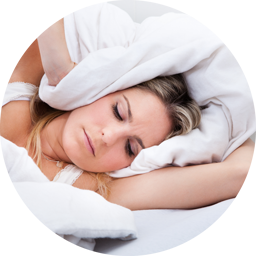
Is my sleep really good? Why do I snore loudly every night and dream so much? I never feel fully rested no matter how much I sleep. I toss and turn in bed, unable to fall asleep—do I have insomnia?….
To answer these questions, the Chuangzhi professional sleep health team uses the latest technology and clinical medicine to provide you with the most scientific answer.

In the standard guidelines of the American Academy of Sleep Medicine
A standard sleep study can be completed at a certified sleep center.
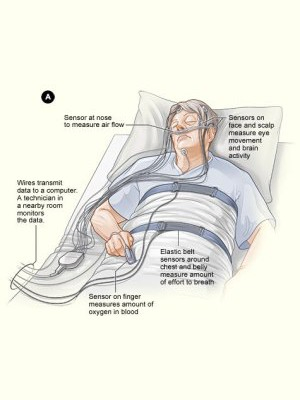
It records brain waves, heart rate, respiration, eye movements, limb movements, and blood oxygen levels during sleep.
Sleep specialists use this data to diagnose sleep disorders and develop treatment plans.
Sleep specialists may recommend the following tests:
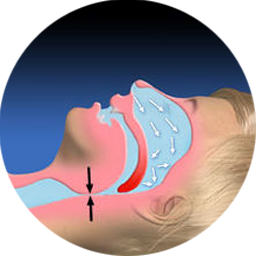
✓ Sleep-disordered breathing (including sleep apnea).
✓ Assess behavior during parasomnias (e.g., sleepwalking, night terrors).
✓ Diagnose narcolepsy or catarrhal disorder.
✓ Confirm the treatment pressure for continuous positive airway pressure for the patient.
✓ Determine the reason for the failure of sleep disorder treatment.
For patients suspected of having obstructive sleep apnea, a sleep specialist may recommend a one-night home sleep apnea test to obtain a more accurate reading.
♦ Sleep Story – A Day at the Sleep Center: Multiple Physiological Examinations During Sleep
At 8 p.m., I walked into the sleep center attached to the medical center. The night was busier than the day, and the sleep technicians were already preparing for the sleep check-up that night.
Before 9 a.m., those who had made prior appointments began entering the sleep center to prepare for their examinations. They would spend the night there undergoing a multi-physiological sleep test to determine if they had any sleep disorders. Sleep technicians were seen moving back and forth, busy attaching sensor wires to the patients' scalps, nasal cavities, chest cavities, and abdomens.
It's 10:00 PM, and most of the participants are already lying down, some even asleep. However, this is the very beginning of the sleep technician's monitoring of the participants. The sleep technician must constantly watch the monitor, observe the images, interpret the signals, and record any abnormal twitches during the patient's sleep. If there is a continuous positive airway pressure titration scheduled for tonight, the sleep technician must concentrate even more intently to find the most suitable pressure for treating sleep apnea in the patient.
After a full night of monitoring, the examination concludes between 5:30 and 6:00 AM the following morning. The sleep technician will wake each participant individually and remove all signal cables from their body. At this point, the participants can leave the sleep center.
At this point, the computer outputs a report of over 800 pages, detailing the patient's breathing, brain waves, electrocardiogram, esophageal pressure, oxygen concentration, and other data. This is the result of a whole night's work. Next, these reports must be interpreted and analyzed by a sleep technician before a sleep specialist can conduct follow-up consultations, treatments, and even surgery.
How much do you know about sleep disorders?
After a complete "multi-physiological sleep test", the sleep specialist will make a diagnosis and treatment recommendation based on the test report, and then the treatment phase will begin.
Sleep disorders can be roughly divided into two types: one is sleeping too much (hypersomnia), and the other is sleeping too little (insomnia). Each has its own underlying causes, and treatment must target the cause in order to fundamentally solve the sleep problem.
Reasons for sleeping too much include:narcolepsy, narcolepsy, sleep debt
Reasons for not sleeping enough include:Snoring, sleep apnea, insomnia, circadian rhythm disorder, restless legs syndrome, other illnesses (acid reflux, pain, poor cardiopulmonary function, etc.), and side effects of medications such as caffeine and nicotine.