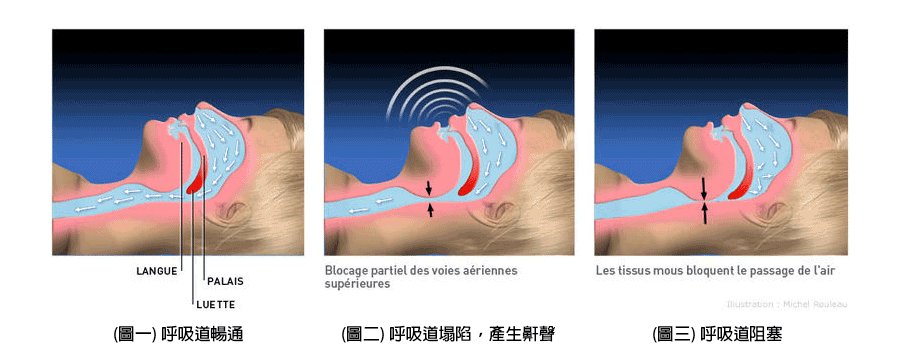

Snoring is caused by the vibration of structures in the upper respiratory tract.
The tissues involved include the tongue, soft palate, uvula, tonsils, and pharyngeal wall.
During sleep, all the muscles in the body relax, including the muscles of the upper respiratory tract.
When muscles relax, the airway becomes smaller, restricting the flow of air and the smoothness of airflow.
This results in loud snoring, which is especially noticeable when inhaling.
Causes of snoring: Insufficient facial muscle tone
The muscles of the human face are mainly red muscles. One end is connected to the orbicularis oris muscle, while the other end is not fixed by bone and is covered by fat and skin, making it easy to slide. Therefore, it is difficult to exercise. It is necessary to strengthen the orbicularis oris muscle through long-term training from inside the mouth.
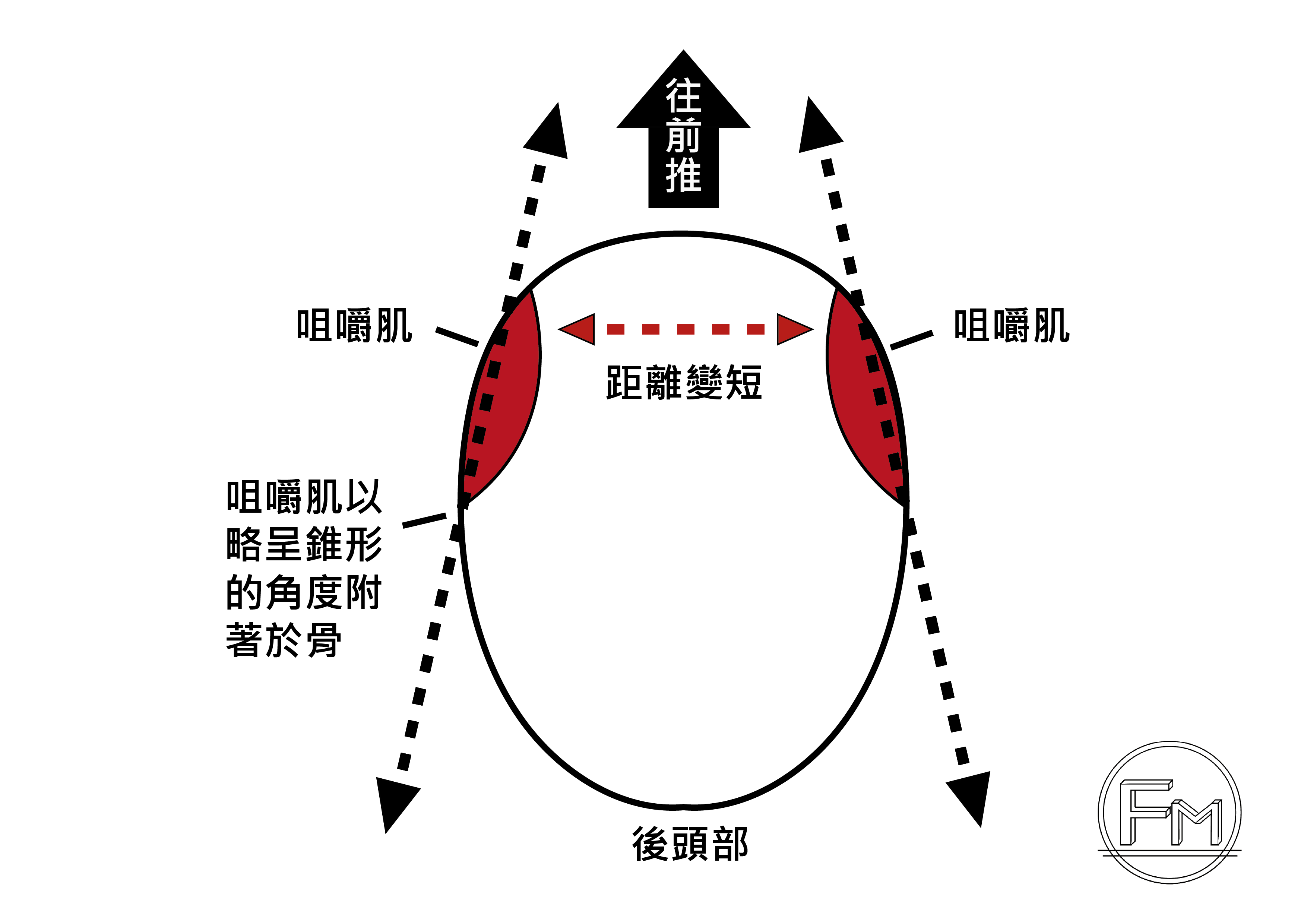
The facial muscles and masticatory muscles in the human body exert opposing forces on each other. One end of the facial muscles is connected to the orbicularis oris muscle, while the other end floats in the muscle layer between the facial skin and bones.
Daily eating and activities continuously train and strengthen the body's chewing muscles, but the orbicularis oris muscle, which is connected to the facial muscles, does not have the opportunity to be trained after the baby is weaned. As a result, the facial muscle tension is relatively weakened.
Therefore, the orbicularis oris muscle, which is not easily exercised, is relatively easy to be weakened, resulting in mouth breathing.
The root cause of snoring: weakened orbicularis oris muscle tone
Clinical studies show that muscle tone decreases by about 30% during sleep. If the orbicularis oris muscle tone is also weakened at this time, it can cause problems such as the tongue base falling back, the soft palate collapsing, and mouth breathing.
The tongue base tilting backward and the soft palate collapsing can easily cause airway obstruction, further leading to more serious mouth breathing problems and causing inflammation and swelling of the throat mucosa.
Mild cases can easily cause frequent colds, sore throats, and chronic coughs, while severe cases can even lead to problems such as snoring and sleep apnea.